Best Door Locks for Massachusetts Winter: Protect Your Sharon Home from Freezing
You know that moment when you're standing outside on a freezing January morning, already running late, and your key won't turn in the lock? Yeah, we've all been there. Welcome to winter in Massachusetts, where your door locks face some of the harshest conditions in the country.
Here's what most Sharon homeowners don't realize: not all locks are created equal when it comes to surviving our winters. Some handle the cold like champs, while others might as well wave a white flag the moment temperatures drop below 20 degrees. If you've ever dealt with a frozen lock at 6 AM or struggled with a sticky deadbolt during a snowstorm, you already know how frustrating this can be.
The good news? You don't have to put up with it. Let's talk about what actually works when Mother Nature decides to test your door hardware.
Why Massachusetts Winter Is Particularly Brutal on Door Locks
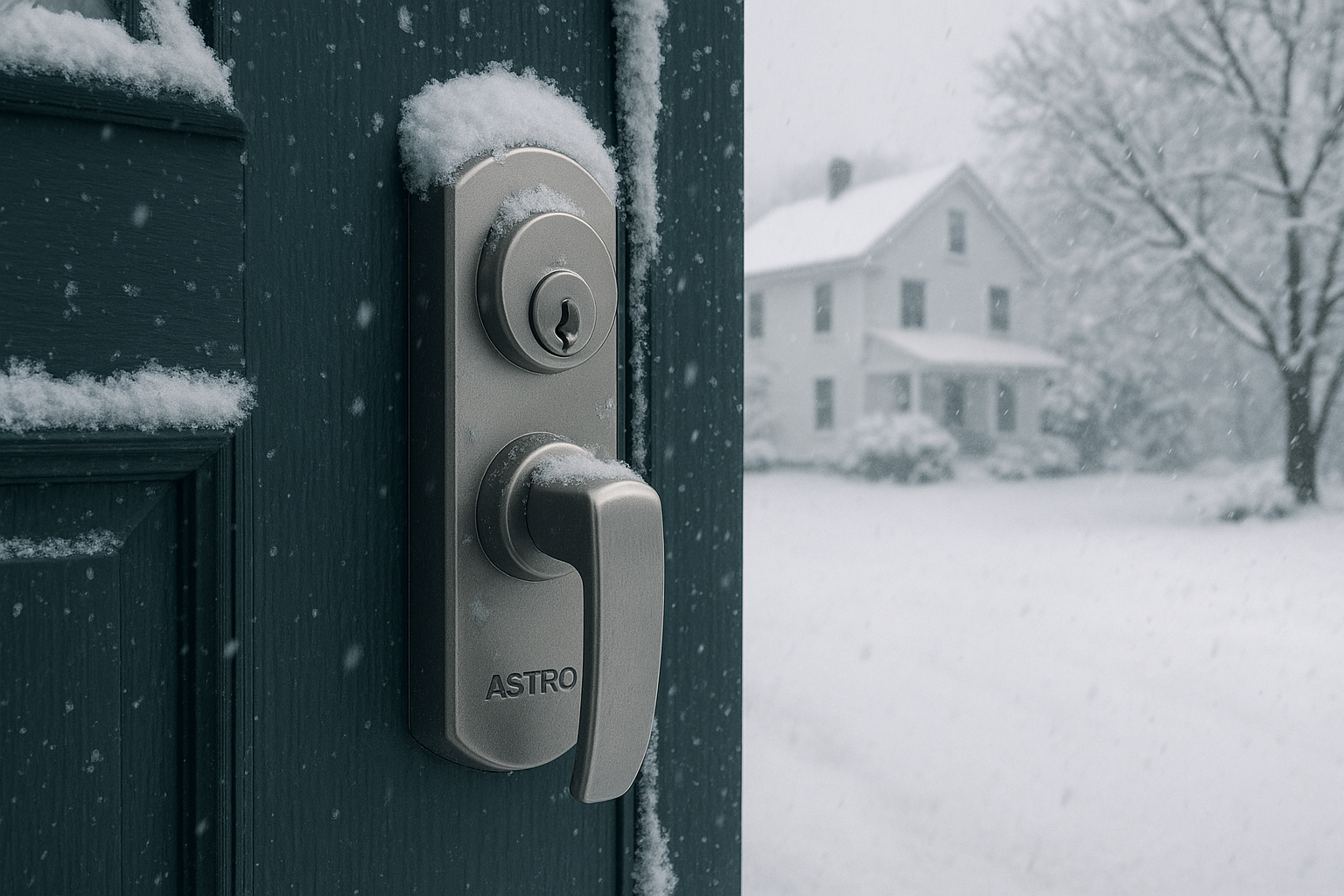
Before we get into solutions, it helps to understand what's happening to your locks when temperatures plummet. Massachusetts doesn't mess around when it comes to winter weather. We get everything from bone-chilling cold snaps to ice storms, plus that lovely mix of snow, sleet, and rain that seems designed specifically to wreak havoc on door hardware.
When moisture gets into your lock mechanism and freezes, it expands. That expansion can jam the pins inside your lock cylinder, making it impossible to turn your key. Even worse, the constant freeze-thaw cycles we get here in Sharon can actually damage the internal components over time. Add in some road salt carried on boots and winter coats, and you've got a recipe for corrosion that eats away at metal parts.
Your standard builder-grade lock? It's not really built with this in mind. Most cheap locks use materials that contract in cold weather, creating gaps where moisture can sneak in. And once water finds its way inside, you're playing a waiting game until the next freeze.
What Makes a Lock Winter-Ready for New England Weather
So what separates a lock that laughs at winter from one that gives up at the first snowfall? It comes down to a few key factors:
Sealed cylinders are your first line of defense. Quality locks designed for cold climates have weather-resistant cylinder guards that keep moisture out of the pin mechanism. Think of it like a raincoat for the most vulnerable part of your lock.
Grade 1 construction isn't just about security (though that matters too). These locks use heavier-gauge metals that hold up better under temperature swings. They're also built with tighter tolerances, which means fewer gaps for water to exploit.
Corrosion-resistant finishes become way more important when you're dealing with snow, sleet, and salt spray. Solid brass locks naturally resist corrosion, but high-quality stainless steel and properly finished zinc alloy options work great too.
The thing is, you can't always tell which locks have these features just by looking at them at the hardware store. That's where working with someone who knows what performs well in Massachusetts winters makes a real difference.
Top Lock Choices That Actually Survive Sharon Winters
Schlage B60N Deadbolt
This is the workhorse we install when someone wants bombproof reliability. The B60N has a hardened steel bolt, solid brass cylinder, and a weather-resistant shield that keeps ice and moisture out. We've seen these locks perform flawlessly through some brutal winters. The Grade 1 rating means it's built to commercial standards, even though plenty of Sharon homeowners use them. Heavy-duty, dependable, and it doesn't care how cold it gets.
Kwikset SmartCode 916 (Electronic)
Here's where things get interesting. A lot of people assume electronic locks and winter don't mix, but the SmartCode 916 proved them wrong. It's got an IP55 weather resistance rating and operates reliably down to -4°F. The touchscreen works even when you're wearing gloves, which is a lifesaver when it's 15 degrees outside. Plus, if the electronics ever act up, there's still a traditional keyway for backup access.
We've had customers tell us they love not having to fumble with keys when their hands are numb from shoveling the driveway. Just punch in your code and you're in. If you're curious about making the switch to keyless entry, we've got a whole guide on smart locks versus traditional locks that breaks down the pros and cons.
Medeco Maxum Residential
If you want the absolute best and don't mind paying for it, Medeco builds locks that belong in a different league. The Maxum uses a patented key control system and has one of the most weather-resistant designs we've seen. The cylinder is completely sealed against moisture penetration, and the whole thing is machined from solid brass.
Is it overkill for most homes? Maybe. But if you live in an area that gets hammered by nor'easters or you've had repeated problems with frozen locks, the Medeco might be exactly what you need. We don't push these on everyone, but for certain situations, they're worth every penny.
Yale Assure Lock 2
Another solid electronic option that handles our winters well. The Assure Lock 2 has excellent battery life even in cold weather, and the weatherproof keypad keeps working when other electronic locks start acting finicky. It integrates with most smart home systems if that's your thing, but it also works perfectly fine as a standalone keypad lock.
One thing we appreciate about Yale is their focus on backup options. You can get this lock with or without a keyway, but for Massachusetts, we usually recommend keeping the traditional key cylinder. Electronics are great until they're not, and having that mechanical backup brings peace of mind.
What About Smart Locks in Freezing Weather?
Let's address the elephant in the room. Can you trust a smart lock when it's 10 degrees outside and the wind is howling?
The answer is yes, but you need to choose carefully. Not all smart locks are created equal when it comes to cold weather performance. The cheap ones from Amazon? They'll let you down when you need them most. But quality models from established manufacturers like Yale, Schlage, and Kwikset are engineered to handle temperature extremes.
The battery is usually the weak link in cold weather. Lithium batteries perform better in freezing temperatures than alkaline, so if your smart lock gives you the option, go with lithium. Also, keep an eye on your battery indicator during winter months. Cold weather drains batteries faster, so what might last 8 months in normal conditions might only give you 5-6 months when it's consistently below freezing.
Smart locks also need to maintain a wireless connection, and extreme cold can sometimes affect signal strength. Models with Wi-Fi tend to be more reliable than Bluetooth-only options when temperatures drop. And here's a pro tip: if you're installing a smart lock on an exterior door that's exposed to the elements, position it on the interior side of the door when possible. The extra protection from wind and precipitation makes a real difference.
Want to explore your smart lock options further? Check out our article on why Sharon homeowners are switching to smart locks for more insights on modern security solutions.
Quick Fixes When Your Lock Freezes (And How to Prevent It)
Even the best locks can freeze under the right (or wrong) conditions. Here's what actually works when you're stuck outside in the cold:
De-icer spray is your friend. Keep a can in your car. The alcohol-based formula melts ice quickly without damaging your lock mechanism. Don't use hot water – the temperature shock can crack your lock cylinder, and the water will just refreeze anyway.
Graphite lubricant prevents moisture from building up inside your lock. Unlike oil-based lubricants that can gum up in cold weather, graphite stays dry and slippery. Apply it a couple times a year, especially before winter hits.
Lock covers sound old-fashioned, but they work. A simple magnetic cover over your keyhole keeps out snow, sleet, and most moisture. Just don't forget it's there when you try to unlock your door.
But here's the thing about fixes – they're reactive. The better approach is prevention. Regular maintenance makes a huge difference. Clean your locks before winter starts, apply graphite lubricant, and check for any gaps around your door frame where moisture might be sneaking in.
If your locks consistently freeze every winter, that's usually a sign of a deeper problem. Maybe you've got an exposed lock that needs a different design. Maybe your door isn't sealing properly. Or maybe it's time to upgrade to hardware that's actually designed for the conditions we face here in Massachusetts.
Installation Matters More Than You Think
You can buy the most winter-resistant lock on the market, but if it's not installed correctly, you're not getting the protection you paid for. Proper installation means more than just getting the bolt to line up.
The door frame needs to be sealed properly. Gaps around the strike plate let in cold air and moisture. The lock needs to be positioned at the right depth – too shallow and it's exposed to the elements, too deep and it won't function smoothly. The door itself needs to close flush without gaps that allow wind-driven precipitation to reach the lock mechanism.
This is where DIY installations often fall short. It's not that you can't install a lock yourself, but getting all these details right requires experience and the right tools. We've fixed plenty of situations where someone bought a great lock but installed it in a way that left it vulnerable to exactly the problems they were trying to avoid.
Professional installation also comes with the benefit of someone who knows the specific challenges of Sharon's climate. We've learned through experience which locks perform best on north-facing doors, which finishes hold up to our salt-heavy winters, and how to seal everything properly so moisture doesn't become an issue.
When It Makes Sense to Upgrade Your Locks
Not everyone needs to run out and replace perfectly functional locks. But there are some clear signs that it's time for an upgrade:
If you're fighting with your locks every winter, that's an obvious one. A lock that requires multiple attempts to open in cold weather is telling you it's not up to the job.
If your locks are more than 10 years old and you've never had them serviced, they're probably due for replacement anyway. Locks wear out, especially when they face our freeze-thaw cycles year after year.
If you've had a break-in or attempted break-in, winter is actually a good time to upgrade. You're already thinking about security, and you might as well install locks that can handle both security threats and weather challenges.
If you're planning to sell your house, good locks are a surprisingly effective selling point. Buyers notice when a house has quality hardware, and they definitely notice when locks are old or problematic.
And if you're just tired of worrying about whether your family can get in the house during a storm, that's reason enough. Peace of mind has real value.
Beyond Locks: Complete Winter Door Security
Your lock is just one part of your door's winter defense system. The strike plate, door sweep, weather stripping, and even the hinges all play a role in keeping moisture and cold air where they belong – outside.
A reinforced strike plate with 3-inch screws provides better security and creates a tighter seal. Good weather stripping prevents drafts that can allow moisture to reach your locks. A quality door sweep keeps snow from piling up against your threshold where it can melt and seep inside.
If you're going to invest in winter-resistant locks, it makes sense to think about the whole door system. We often recommend addressing everything at once. It's more cost-effective than doing it piecemeal, and you end up with a door that works as a complete unit rather than a collection of parts.
For commercial properties especially, this comprehensive approach makes even more sense. You've got more traffic, more exposure to the elements, and higher stakes if someone can't get in or out when they need to. Our commercial locksmith services focus on exactly these kinds of complete solutions.
What Sharon Homeowners Should Know Before Winter Hits
Look, winter in Massachusetts isn't going anywhere. We're going to keep getting those below-zero mornings and those surprise ice storms that coat everything in a quarter-inch of frozen misery. Your door locks need to be ready for it.
The locks that came with your house when it was built? They were probably chosen because they were cheap, not because they were the best choice for New England winters. That's just how it is. Builders use what keeps costs down.
But you're not stuck with them. Whether you want to upgrade to smart locks for the convenience, install commercial-grade deadbolts for security, or just get something that works reliably when it's freezing outside, better options exist.
The key is choosing locks that are actually designed for the conditions we face here. Weather-resistant construction, sealed cylinders, corrosion-resistant materials – these aren't luxury features in Massachusetts. They're practical necessities.
And if you're not sure what makes sense for your specific situation, that's exactly why we're here. Every house is different. Every door faces different exposure to wind and weather. Your security needs might be different from your neighbor's. There's no one-size-fits-all answer, but there is a right answer for your home.
Getting Your Locks Ready for Winter
Whether you decide to upgrade your locks or stick with what you have, a little preventive maintenance goes a long way. Clean your locks, lubricate them properly, check your weather stripping, and make sure everything's functioning smoothly before the first big freeze.
If you're planning to upgrade, fall is actually the ideal time. You've got moderate temperatures for installation, you can test everything before winter hits, and you're not trying to change locks when it's already 15 degrees outside.
Need help figuring out what's right for your Sharon home? We've been doing this long enough to know what works and what doesn't when temperatures drop. Give us a call, and we'll walk you through your options – no pressure, no sales pitch, just honest advice based on what we've learned from hundreds of Massachusetts winters.
Your locks should be something you don't have to think about, even when the weather's doing its worst. That's what winter-ready hardware is all about.
Ready to upgrade your locks before winter hits Sharon? Contact Astro Locks for a free consultation and quote. We'll help you choose locks that can handle whatever Massachusetts weather throws at them.
More Marketing Tips, Tricks & Tools